
OVER 40 YEARS …
1983
Epos Loudspeakers began in 1983 with one man and one uncompromising idea. Robin Marshall, a designer with a stubborn streak for doing things differently, set out to build loudspeakers that felt alive. While the rest of the industry obsessed over ruler‑flat measurements, Marshall pursued something far more elusive: the perfect integration of drive units, allowing for beautifully simple crossovers and a sound that pulsed with Pace, Rhythm, and Timing.
His creations quickly became cult favourites—especially among the Linn/NAIM faithful—because they didn’t just play music. They moved people.
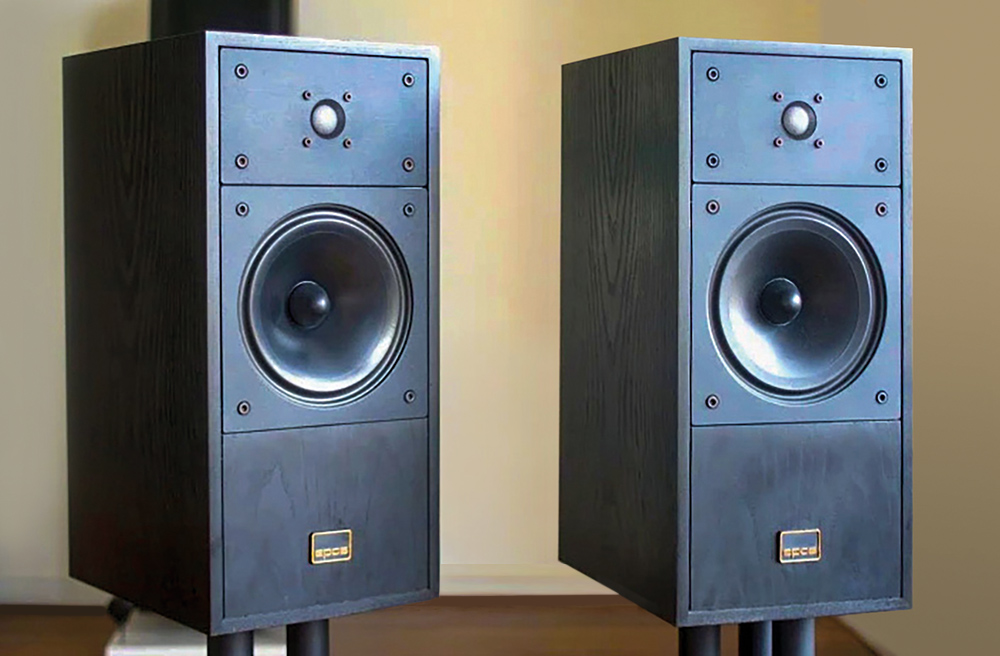
The original Epos ES-14 model from the 1980s
1988 – 2020
As the brand changed hands over the years, the original spark dimmed. The industry evolved, new names emerged, and the distinctive Epos character—once so fresh and addictive—became diluted. The magic was never fully lost, but it was waiting for someone who understood it to bring it back.
2020
That someone was Karl‑Heinz Fink.
In 2020, the founder of FinkTeam and head of Fink Audio Consulting acquired Epos with a clear mission: honour the original philosophy while elevating it with modern engineering. Fink had admired the Epos approach for decades, and he recognised what made it special—not just the technical ideas, but the fun, the immediacy, the musical joy baked into Robin Marshall’s earliest designs.
Marshall once said he built his speakers using the knowledge and tools available at the time. Fink embraced that spirit, not by recreating the past, but by pushing it forward. With today’s advanced measurement systems, precision manufacturing, and deep acoustic expertise, he set out to recapture the soul of Epos while giving it the performance edge of the modern era.
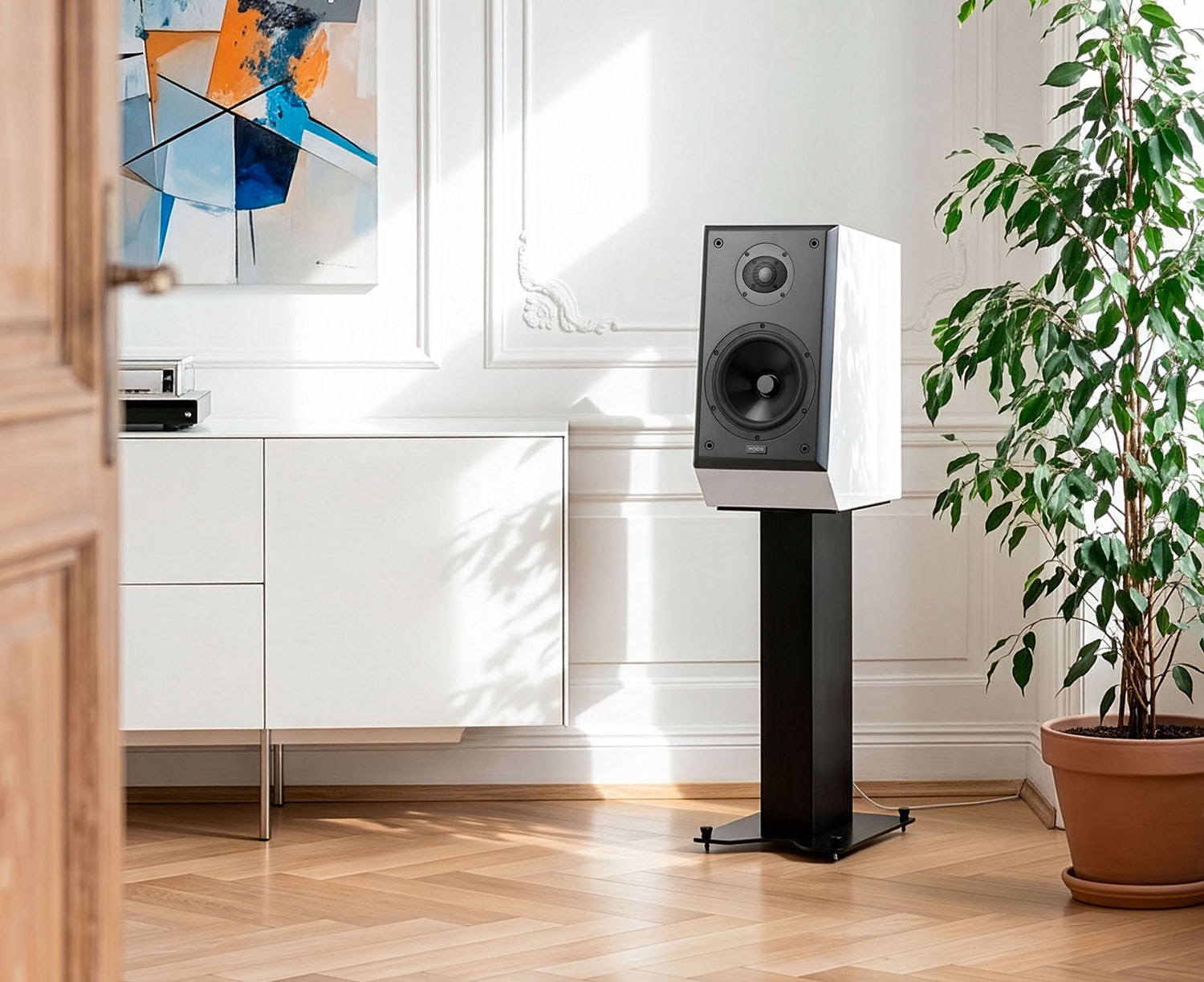
The Epos ES-14 model today.
2026
Listen to any of the current EPOS models — ES‑7N, ES‑14N, or ES‑28N — and one feeling rises above all others: youthful joy.
That irresistible sense of musical freedom.
That urge to tap your foot, nod your head, or get up and dance.
Because music should make you feel something.
And Epos is once again built to do exactly that.
Curious about how the new ES‑14N came to life? You’ll find the full technical story on this website.
